The New River Conservancy (NRC) is asking their members and followers in Virginia (VA) to support new invasive species bills in the VA legislature. In the New River watershed, especially in Virginia’s New River Valley, some non-native invasive species have obliterated natives and cover entire hillsides. If you have ever driven along RT 460 from Princeton, WV to Christiansburg, VA, or on I81 to Roanoke, VA in the spring, you will see white blossom trees for miles and miles. Pretty? Sure. Deadly to the native plants and animals? Absolutely. The Bradford, or Callery, Pear is one of the most invasive trees.
Invasive species pose a serious risk to ecosystems throughout the New River watershed. Invasive species could include non-native forest pathogens, vegetation, or terrestrial and aquatic wildlife species. Non-native species have been introduced to new ecosystems by humans, and cause damage to the environment, native species, the economy, and at times, human health. How? Non-native, invasive species are plants and animals living in areas where they do not naturally exist. These plants quickly adapt to their new surroundings and can spread unchecked.
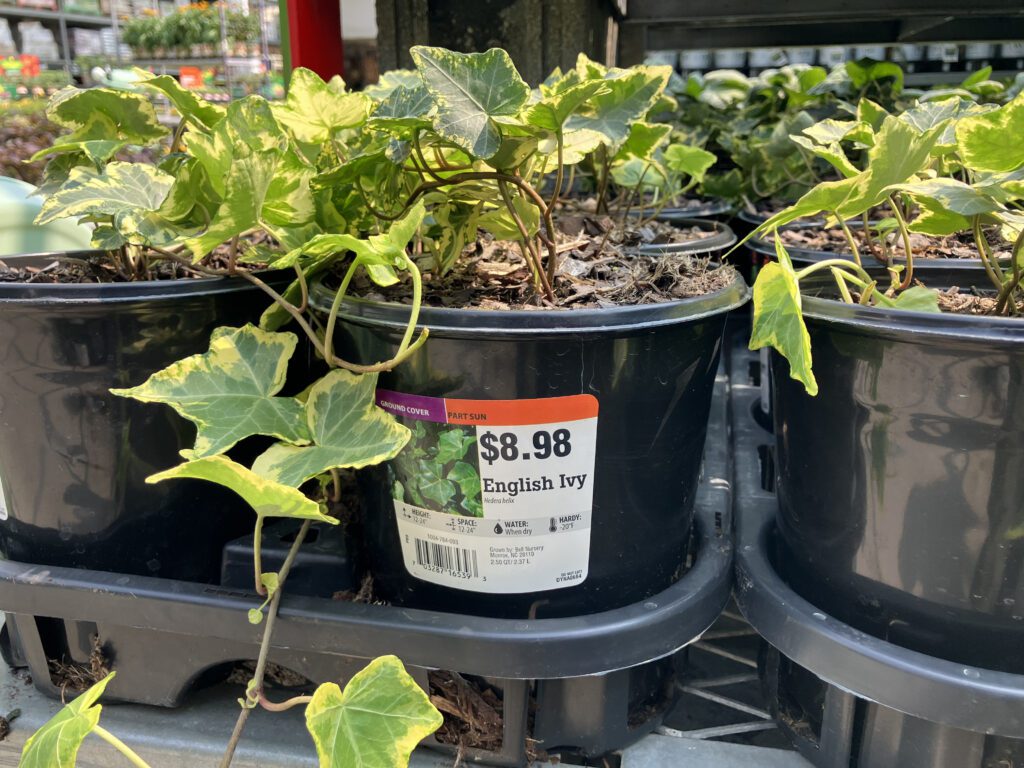
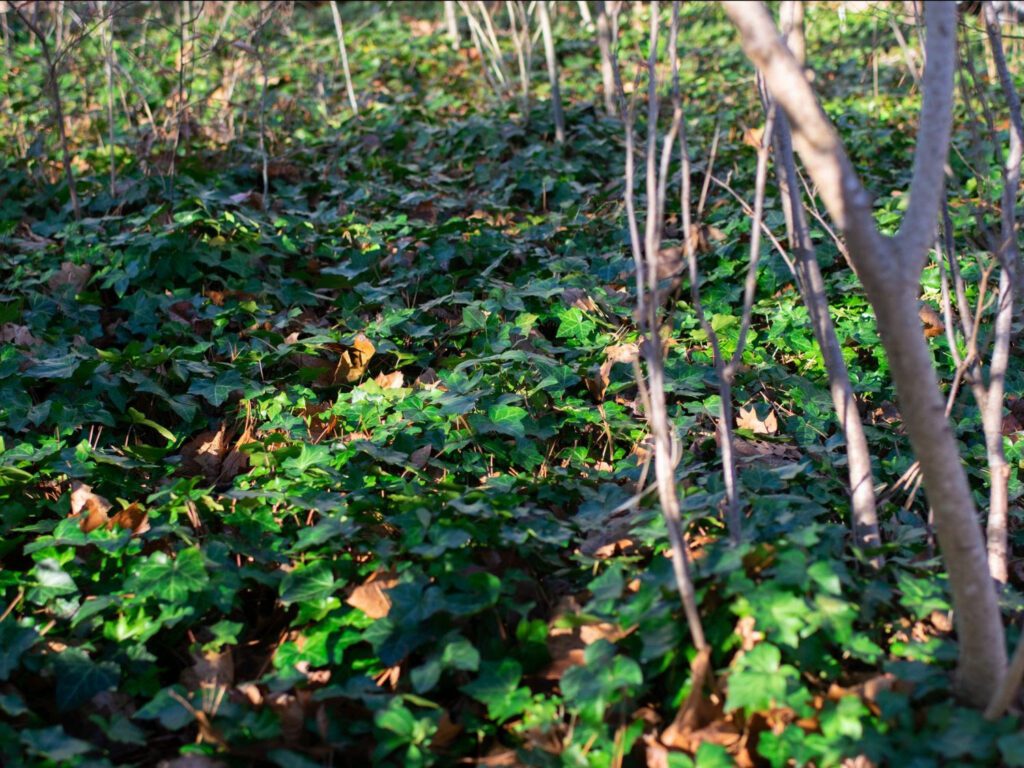
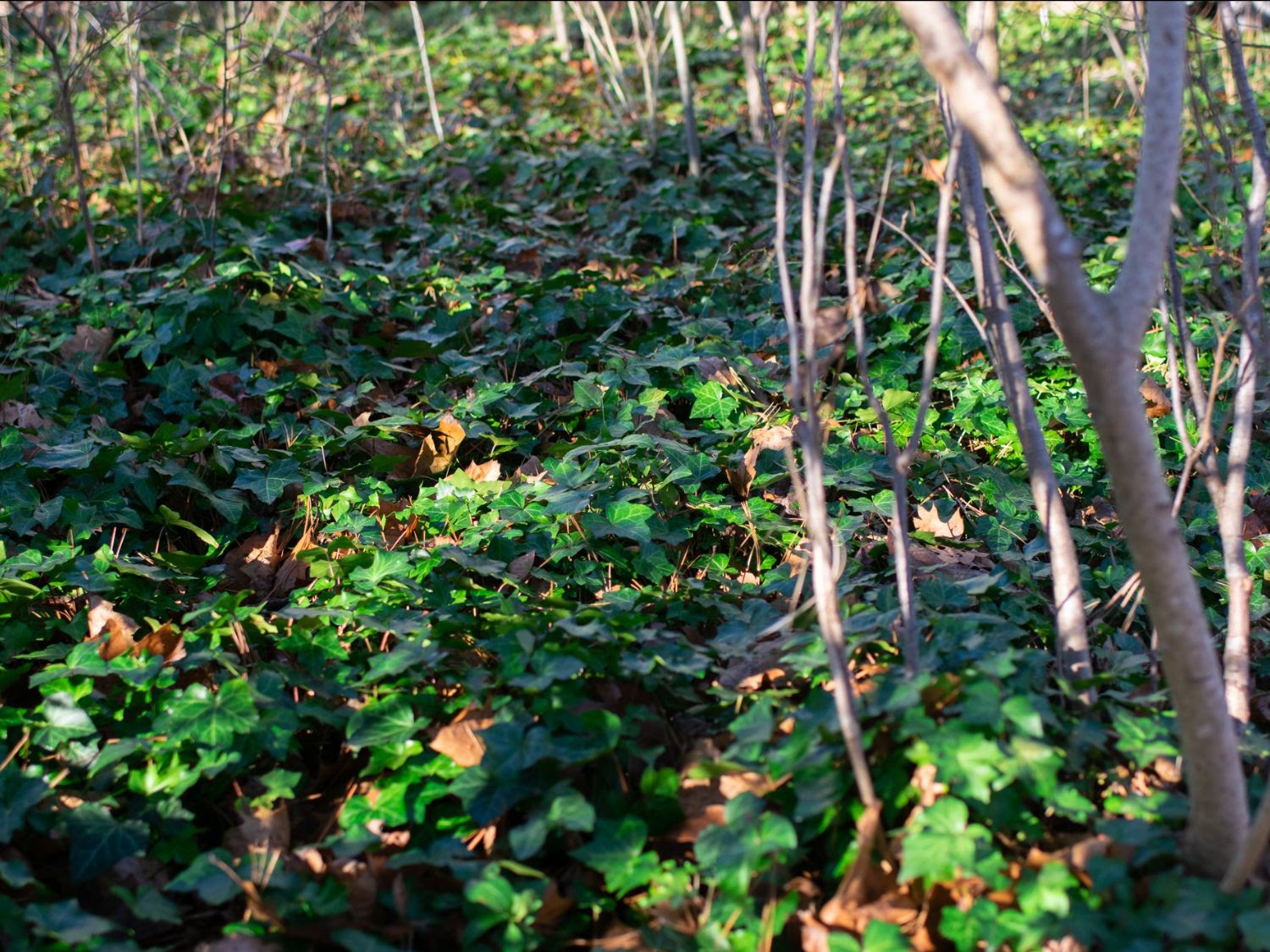
Most non-natives offer no food or shelter to the native wildlife species – plant and animal – already there. Some non-natives, like English Ivy and Bradford Pear, are sold as decorative landscape plants throughout the region. However, these plants choke out existing native plants, leaving the wildlife to fend for themselves or move out. When the natives move or die out, other species take their place. Think of mosquitos if bats have nowhere to roost. Ticks if possums have nowhere to live. Your chimney covered in English Ivy that you can never remove. Invasive species cause problems all the way down the chain.
In terms of harm to the watershed, Tom Saxton, Restoration Ecologist for NRC says “State-listed non-native and invasive species have been spreading across the landscape like a silent wildfire. The rate of progression has only been increasing in recent years. Responding to this is among the greatest environmental challenges we face and we have no other choice but to take action on every front we can. Biodiversity, landscape resiliency, habitat and forage for wildlife, agricultural food security, and our futures are under siege.”
The Virginia legislature has four bills currently on the docket that would help ease the sale and spread of these invasive species by removing commercial incentives, manage roadside invasives, help local governments control the invasives, and allow volunteers to help remove them on state lands.
Ask your legislators to support:
HB 109 — Removes the language that prohibits adding an invasive plant to the Noxious Weeds List if it is currently being grown or sold in Virginia.
HB 88 — Will ensure that invasive plants will not be planted along state highways and the state will develop a plan for managing existing invasive plants along our highways.
HB 388/SB89 — Will expand the powers of local public service districts to include invasive plant treatment and control.
SB 163 — Will permit volunteers to use herbicides on state lands while under the supervision of a licensed commercial pesticide applicator.
What you can do:
Contact your state delegate and let them know you support HB109, HB88, HB388/SB89, and SB163. Find your delegate HERE.
The House committees are voting on bills this week and next. So NOW is the time to ask your legislators to support them.
Here is a very short call script that you can use:
Hello, my name is [Your Name], and I’m a constituent from [Your City/Town].
I’m calling today to ask you to vote YES on HB109 by Delegate Holly Seibold,
YES on HB88 by Delegate Amy Laufer, YES on HB388 by Delegate Katrina Callsen, and YES on SB163 by Senator Ryan McDougle.
Invasive plants are costing Virginians millions of dollars each year. These bills will help stop the spread of invasive plants across the Commonwealth by allowing regulators to add plants to the Noxious Weeds List based on merit and science, by ensuring that invasive plants are not planted along our state highways, by empowering local jurisdictions to raise funds to treat and control invasive plants, and by giving state agencies flexibility to use volunteers to help control invasive plants on state lands.
Together these bills will support Virginia’s efforts to combat invasive plants and the damages they are causing to our farms, our forests, our health, our parks, and our economy.
Thank you for your time and consideration. I look forward to hearing about [Delegate Name]’s efforts to address this critical issue.
Our thanks to Blue Ridge Prism for alerting us on these important bills and providing language for phone calls. The New River Conservancy organization has worked every day since the early 1970’s to protect the woods, waters and wildlife of the iconic New River and its watershed. NRC is a 501©3 nonprofit. Donations are welcome and tax deductible. For more information, please visit their website or any of their social media pages.
English Ivy for sale at hardware stores, and taking over the forest floor.